
Erkunden
7 Tipps für die Wahl der richtigen Schuhe für Senioren!
9. August 2022 | MANTRAFF
Wussten Sie, dass sich Ihre Schuhgröße im Laufe des Älterwerdens verändern kann? Mit zunehmendem Alter neigen unsere Füße dazu, schmaler, länger und weniger belastbar zu werden. Deshalb ist es entscheidend, Schuhe zu wählen, die guten Halt bieten, Verletzungen vorbeugen und für ein angenehmes Tragegefühl sorgen.
Ein gutes Paar Schuhe ist mehr als nur ein modisches Statement: Die richtigen Schuhe können Füße und Beine entlasten, Verletzungen verhindern, die Körperhaltung verbessern und eine gesunde Durchblutung fördern.
Leider haben viele Senioren das Gefühl, beim Schuhkauf zwischen Stil und Komfort wählen zu müssen – und dabei auf eines verzichten zu müssen. Die gute Nachricht ist: Das muss nicht sein! Befolgen Sie diese Tipps, um beim Kauf neuer Schuhe die beste Entscheidung zu treffen.
1. Know Your Foot Type and Shoe Size
Every foot is unique, and understanding your foot type is key to choosing the right shoe. If you have high arches, your feet naturally have more padding, so you might prefer lighter shoes. If you have lower arches or flat feet, look for shoes that provide more support and cushioning.
In addition to knowing your foot type, make sure to measure your foot size and width. You can measure your foot in inches or try on shoes and mark your size inside the shoe.

We all have a foot type, and knowing your foot type will help you make the right shoe selection. If you have a high-arched foot, you will have more natural padding under your foot which may cause you to prefer a light shoe. If you have a lower-arched foot, you will require a bit more support or cushioning in your shoe.
In addition to your foot type, you should also know your shoe size and width. You can find your foot size by measuring your foot in inches or by trying on shoes and marking your size on the inside of the shoe.
2.Test shoes for fit and comfort
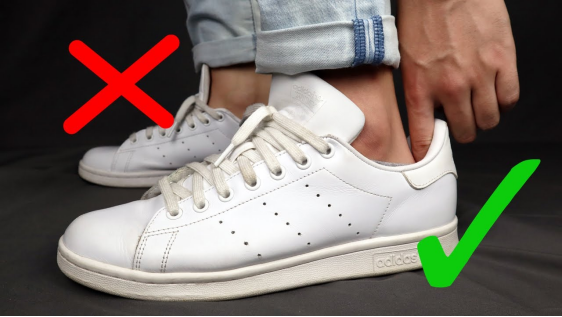
Before purchasing a new pair of shoes, make sure you try them on. When trying on shoes, stand up, walk around, and sit down to make sure they’re comfortable. Sit on the edge of a chair and slide your foot inside the shoe. Pull the tongue of the shoe back and make sure there is adequate room inside the shoe. A good rule of thumb is to make sure you can wiggle two fingers between your toes and the tip of the shoe. Also, make sure the shoe feels comfortable when you walk around in it.
3.Try on shoes in the afternoon

Yes, you read that correctly! When you try on new shoes, make sure it’s in the afternoon. Your foot naturally swells during the day. If you try on a pair of shoes in the morning, it’s likely that the shoes will feel just a bit too tight in the afternoon. If you make the purchase, you’re likely to regret it.
4.Be aware of shoe weight
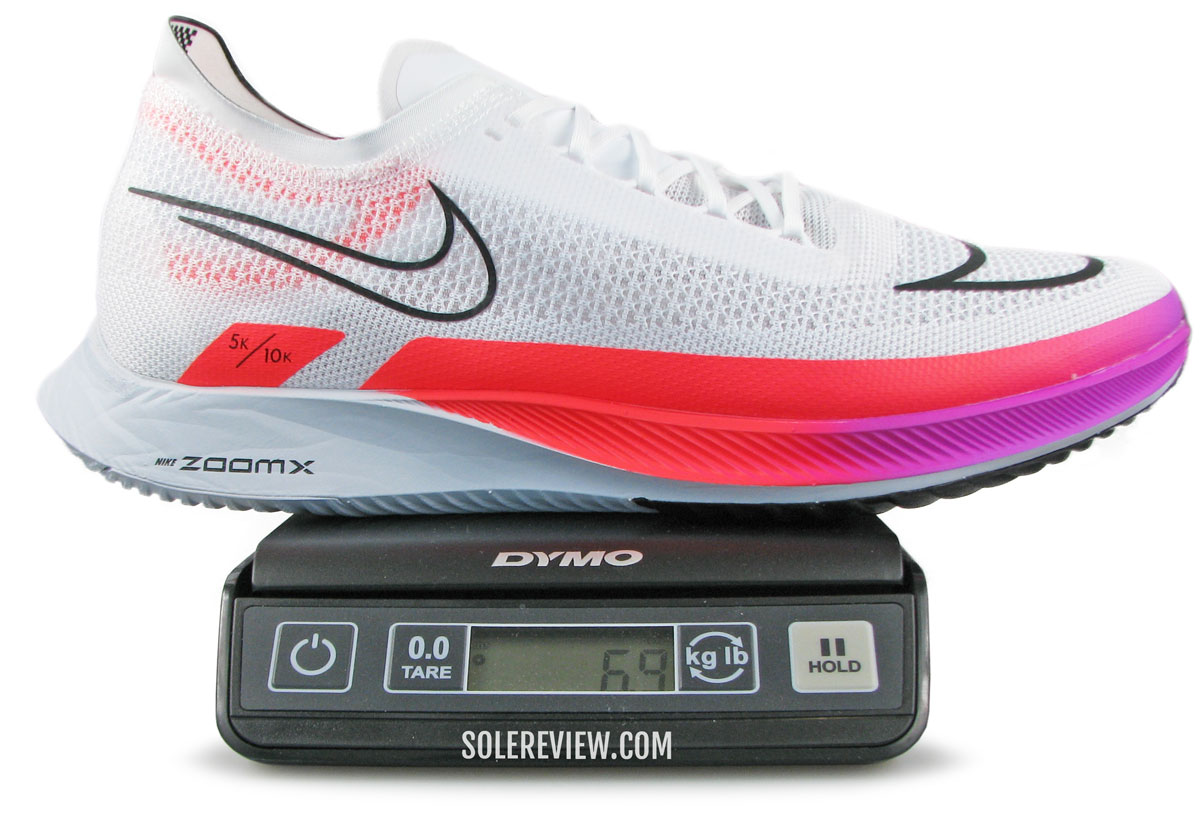
As you get older, one of the first things you might notice is that you’re not as steady on your feet as you once were. This, combined with existing foot and leg issues, can make it difficult to lift and move a heavier pair of shoes. Some people choose a lighter-weight shoe which can make it easier to stand, walk, and sit down. If the shoe is too light for the foot, though, your foot may feel unstable.
5.Look for good arch support
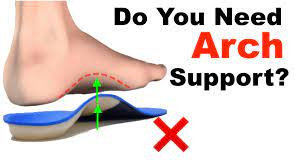
If you have high arches, you likely don’t need as much arch support as someone with low arches. However, if you have flat feet or other foot issues, you may want to look for shoes that have a bit of arch support.
6. Check for Heel Support and Cushioning
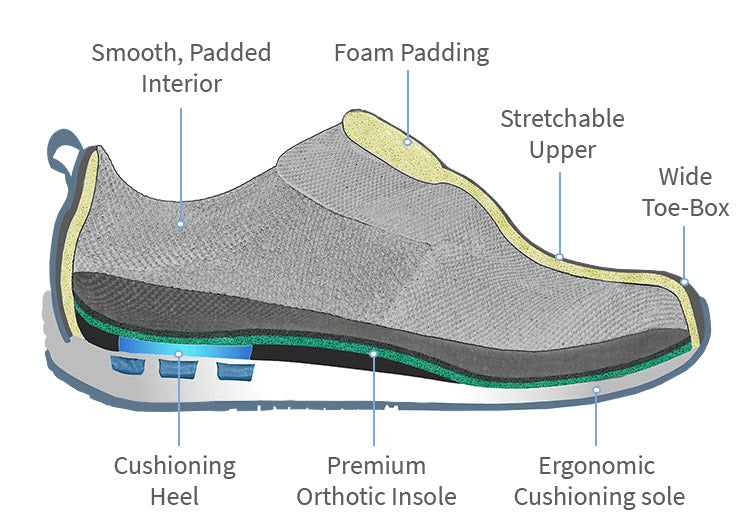
Heel support is important for people with foot issues such as plantar fasciitis, diabetes, and heel spurs. If you have foot pain from one of these conditions or other foot issues, you may want to look for shoes that specifically mention they have some support or cushioning in the heel area.
7.Get a wide-toe box or wides
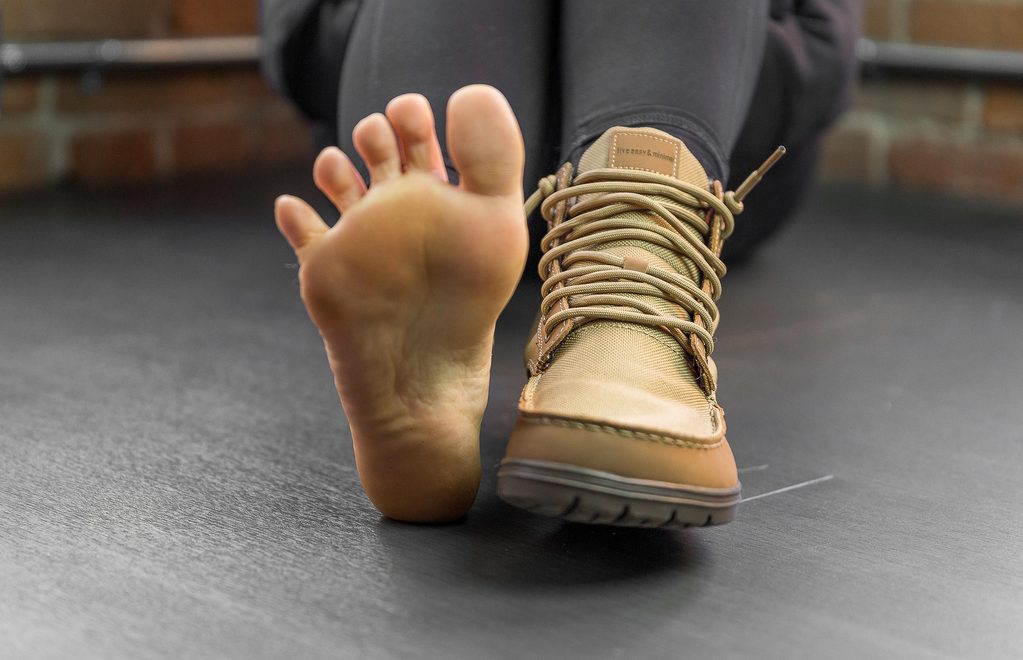
If you have a wide foot, you may want to look for a wide toe box. This is the front of the shoe where your toes are. These types of shoes are great for wide feet because they allow you to comfortably slip your foot inside the shoe without overlapping your toes.
To determine the width of your foot, stand up and place a piece of paper or cardboard on the floor. Place your foot on the paper and trace the outline of your foot. The line that you draw will indicate the width of your foot.